canton top Synthetic Turf Installation Services
canton top Synthetic Turf Installation Services
Blog Article
Artificial Grass Installation: The Green Answer for Your Lawn
Installing artificial grass presents a practical option for property owners pursuing a environmentally responsible yard solution. Its durability and low maintenance requirements provide significant benefits over conventional grass. As water conservation becomes ever more critical, synthetic grass delivers an efficient solution to environmental concerns. However, the choice to set up artificial grass involves multiple considerations that deserve thorough review. What elements should homeowners weigh before making the transition to this eco-friendly option?
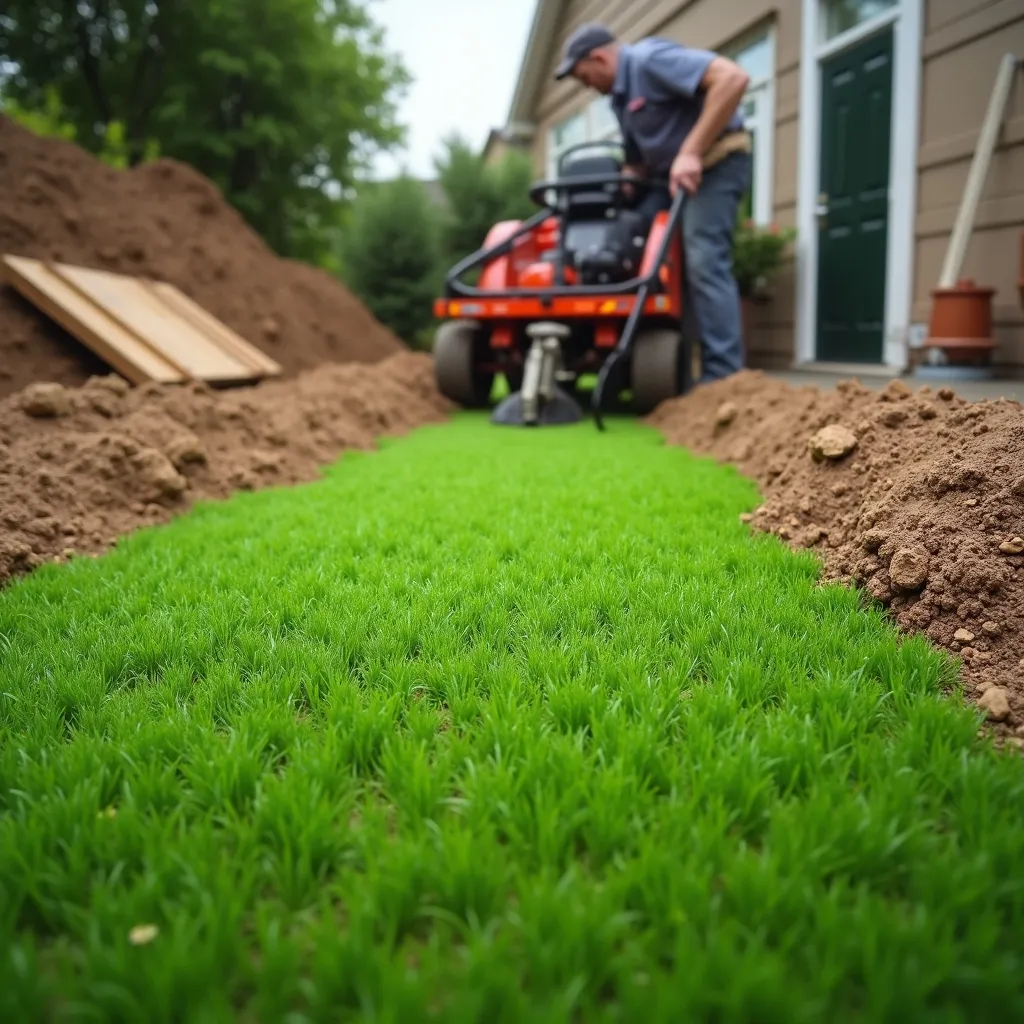
Grasping Synthetic Turf: Main Attributes and Gains
Synthetic turf has emerged as a popular substitute to natural grass, offering numerous benefits for different applications. One of its key features is longevity; synthetic grass can endure heavy foot traffic and extreme weather conditions without deteriorating. This resilience makes it an perfect choice for sports fields, playgrounds, and residential lawns.
Moreover, artificial grass calls for scant maintenance relative to natural grass. There is no requirement for mowing, watering, or fertilizing, providing significant time and cost savings for homeowners and facility managers alike.
Furthermore, synthetic turf is environmentally friendly, as it conserves water and eliminates the need for harmful pesticides and fertilizers.
As technology advances, modern synthetic turf mimics the appearance and feel of natural grass, providing aesthetic appeal without the drawbacks. These features collectively make synthetic turf a viable and attractive option for a wide range of uses.
Installing Synthetic Turf: A In-Depth Tutorial Guide
When considering the benefits of synthetic turf, the next logical step is learning about the installation process.
The first phase includes site preparation, which includes clearing the area of current grass, weeds, and debris. Next, a base layer of gravel or gravel is laid to guarantee proper drainage and structural support. Following this, a weed barrier fabric is installed to stop unwanted vegetation.
Once the base has been prepared, the synthetic turf rolls are unrolled and positioned, permitting proper alignment. The edges are fixed with stakes or adhesive, assuring a seamless appearance.
After placement, a layer of infill material, such as rubber or sand, is laid evenly to supply weight and support. Finally, the turf is brushed to lift the fibers and achieve a lifelike appearance.
Completing these steps establishes a robust, hassle-free lawn that amplifies both visual charm and functional value.
Why Choose Synthetic Turf? Ecological and Functional Benefits?
Installing artificial grass offers many practical and environmental benefits that make it an appealing option for many homeowners and businesses. One significant advantage is water conservation; artificial turf removes the requirement for regular watering, which is particularly beneficial in arid regions.
Furthermore, it diminishes the reliance on damaging pesticides and fertilizers, promoting a stronger ecosystem.
From a practical standpoint, artificial grass requires scant servicing, cutting hours and dollars on turf maintenance. It remains rich and verdant throughout the year, presenting a reliable aesthetic appeal without seasonal fluctuations.
Furthermore, synthetic turf provides durability, able to withstand heavy foot traffic and various weather conditions, making it excellent for both residential and commercial applications.
These aspects not only enhance the functionality of outdoor spaces but also reinforce sustained sustainability, showcasing synthetic turf as a preferable preference for planet-aware customers.
Important Elements for Synthetic Turf Setup
Multiple considerations must be considered before beginning synthetic turf installation. First, it is vital to assess the planned purpose of the area. Various types of synthetic turf are engineered for particular applications, such as sports or residential landscaping.
Second, the area's climate should be evaluated; some materials may endure heat better than others.
Site configuration is another essential component, requiring proper drainage and a level surface to ensure lasting performance and performance. Additionally, conceivable local regulations or homeowners' association directives may influence installation choices.
Selecting the correct infill substance is crucial for longevity and comfort, as it impacts both the appearance and texture of the turf.
Ultimately, picking a reputable installer can greatly impact the standard and longevity of the work. By tackling these considerations, homeowners can develop informed decisions that best match their preferences and upgrade their external spaces.
Keeping Your Artificial Turf Lawn in Top Condition
Maintaining a synthetic turf lawn requires a consistent cleaning schedule to ensure its longevity and appearance.
Consistent upkeep includes tackling any spots and implementing restoration methods as necessary.
Maintain a consistent maintenance schedule
A regular maintenance plan is essential for maintaining the appearance and longevity of synthetic turf lawns. Routine upkeep helps avoid debris buildup, minimizes odors, and enhances aesthetic appeal.
Homeowners should attempt to remove leaves, twigs, and other decomposing matter at least once a week, especially during fall. Additionally, rinsing the turf with water on a monthly basis can help remove dust and allergens, ensuring a fresh look.
For high-traffic areas, more frequent attention may be required to preserve the grass quality. In winter seasons, snow and ice should be carefully removed to avoid damaging the fibers.
Spotting and Fix Tips
Identifying and tackling issues quickly is crucial for preserving the integrity of synthetic turf lawns. Frequent inspections should be conducted to detect indicators of wear, such as rips, unraveling, or irregular surfaces.
Upon detecting a problem, swift action is imperative. Minor tears can be mended with dedicated adhesive or turf tape, maintaining a secure bond without compromising appearance. For larger issues, professionals may be required to replace sections of turf.
Furthermore, maintaining the base material intact is crucial; any displacement can lead to more serious problems. Frequent brushing helps preserve an even appearance and can also expose concealed defects.
Price Analysis: Synthetic Turf vs. Natural Grass
When comparing the costs of artificial grass to real grass, upfront installation costs play a significant role.
Furthermore, extended maintenance expenses can markedly shape the complete financial burden of each option.
A comprehensive analysis of these elements reveals significant findings for potential buyers.
Beginning Setup Fees
Initial installation costs are crucial in the decision-making process for homeowners and municipalities evaluating synthetic turf versus natural grass.
In general, the upfront expenses for synthetic turf can range from $5 to $20 per square foot, based on quality and installation complexity. In contrast, natural grass installation usually costs between $1 to $2 per square foot.
However, the complete investment in natural grass can rise substantially due to soil conditioning, irrigation systems, and ongoing upkeep necessities.
Property owners and local authorities must compare these upfront costs against the achievable future returns of synthetic turf, such as reduced water usage and lower maintenance requirements.
Ultimately, comprehending these costs aids in making educated, eco-friendly landscaping choices.
Long-Term Upkeep Costs
Extended upkeep costs significantly influence the overall cost-effectiveness of synthetic turf compared to natural grass.
Natural grass requires continuous expenses, including frequent cutting, nutrient application, watering, and insect management, which can build up significantly over time. Homeowners may spend hundreds to thousands of dollars annually to preserve a lush green yard.
By contrast, synthetic turf needs little care, chiefly sporadic cleaning to remove unwanted particles. While the starting investment for artificial grass may be higher, the diminished long-term expenses render it an attractive alternative.
In addition, synthetic turf cuts out irrigation expenses connected to irrigation, maximizing its financial efficiency over time.
Ultimately, the financial advantages of artificial grass maintenance can result in significant cost reductions for property owners over time.
Refuting Frequent Myths About Synthetic Turf
Although a lot of individuals entertain misconceptions about synthetic turf, grasping the information can lead to informed decisions. One common myth is that synthetic turf is harmful to the environment; however, many goods are made from reclaimed resources and are fashioned to be durable, curtailing waste.
A frequent notion is that synthetic turf requires excessive heat control, but modern installations often employ effective cooling technologies that alleviate temperature issues.
Moreover, some critics suggest that synthetic turf promotes artificial compounds; yet, innovations in materials have considerably limited the requirement for damaging infill substances.
Finally, the notion that synthetic grass cannot support biodiversity is misleading; comprehensive guide many installations can integrate with native plants, supplying habitats for local wildlife.
Frequently Asked Questions
How Extended Does Synthetic Turf Endure Before Demanding Replacement?
Synthetic turf generally lasts between 15 to 25 years before needing replacement. Factors affecting longevity include grade, upkeep routines, and environmental conditions, which can greatly affect its strength and long-term functionality over time.
Can Companion Animals Securely Walk On Synthetic Turf?
Pets are able to securely enjoy synthetic turf, as it is engineered to be resilient and safe. Periodic attention maintains freshness, making it a practical option for pet owners wanting a simple-to-maintain, fun outdoor space for their animals.
Can Synthetic Turf Absorb Heat During Bright Weather?
Yes, artificial turf does retain heat in sunny conditions, considerably raising surface temperatures. This can result in discomfort for both pets and humans. Frequent watering or selecting lighter-shade grass can help minimize this heat absorption.
What Choices Are Offered for Synthetic Turf Colors and Patterns?
Artificial turf options comprise various color options, including vibrant greens, deep browns, and specialty shades. Styles vary between realistic imitation of natural grass to decorative designs, catering to diverse aesthetic preferences and functional needs.
How Does Synthetic Turf Affect Regional Wildlife?
Man-made turf can interfere with local wildlife by changing ecosystems and reducing natural nutrition availability. Its inflexibility may deter certain animals from nesting or foraging, potentially resulting in reduced species diversity in the affected areas.
Report this page